➡ Get Big-Time Publicity NOW!
➡ Get Big-Time Publicity NOW!
Want More Publicity For Your Business, Book, Product Or Cause?
Table Of Contents:
- Want More Publicity For Your Business, Book, Product Or Cause?
- Want To Be Featured In Major Magazines & Newspapers + Interviewed On Top National Radio & TV Shows?
- How Often Do You Get Face-To-Face Meetings With 75+ TV Producers & Print Editors To Pitch Them Your Story?
- Success Story #1
- Success Story #2
- Success Story #3
- Success Story #4
- This Is Your Chance For One-On-One Meetings With Today’s Top TV/Radio Producers & Journalists
- FREE Publicity In National Media Can Be Life-Changing
- We Only Accept 65 Experts & Authors
- About The Author
➡ Get Big-Time Publicity NOW!
Want To Be Featured In Major Magazines & Newspapers + Interviewed On Top National Radio & TV Shows?
Attend The Virtual National Publicity Summit and get one-on-one meetings via Zoom with 75+ media decision-makers seeking experts and authors to feature on radio/TV shows, magazines, podcasts, and other media.
Previous attendees have been featured by The Today Show, Good Morning America, The View, CNN, Fox News, Woman’s World, The New York Times, and other top outlets.
If you want to meet one-on-one via Zoom with some of the nation’s most influential media, take part in The Virtual National Publicity Summit coming up soon.
How Often Do You Get Face-To-Face Meetings With 75+ TV Producers & Print Editors To Pitch Them Your Story?
➡ Get Big-Time Publicity NOW!
From: Steve Harrison
If you want a LOT more exposure for your business, book, product, or cause, try doing what drum instructor and motivational speaker Rich Redmond did.
Rich had one-on-one Zoom meetings with TV producers and print journalists who do stories for some of today’s most popular TV/radio shows and print publications.
… Outlets like The Today Show… CNN… The New York Times… The View… Rachael Ray… Dr. Oz… Fox News… Woman’s World… Entrepreneur Magazine… Inc… Parents… Time Magazine… People Magazine… Health Magazine… Family Circle… MSNBC & more.
One of Rich’s meetings was with a producer from Good Morning America’s popular and fast-growing third daytime hour, ‘GMA3’ who booked him to do a five-minute segment.
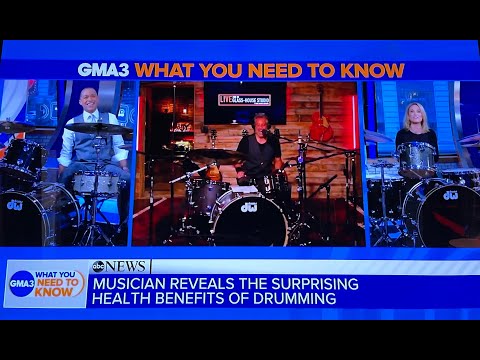
That means he got himself in front of an audience of 1.74 million people who now know about Rich and his methods of using drumming to relieve stress.
How did Rich get Zoom meetings with all those TV producers and print journalists?
He took part in The Virtual National Publicity Summit.
➡ Get Big-Time Publicity NOW!
It’s a unique conference where you, too, can get one-on-one Zoom meetings with 75+ TV producers and print/online journalists who do stories and shows for some of the nation’s biggest, most influential media outlets.
You could turn a Zoom call with a producer or writer into an audience of millions as Rich did.
Success Story #1
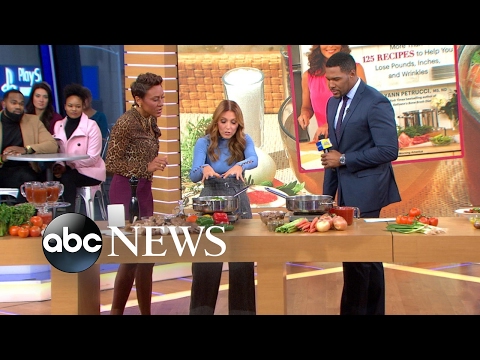
Kellyann Petrucci became a Dr. Oz regular with appearances on Good Morning America, Fox News, and more.
When it comes to getting exposure in America’s most influential media outlets, it really is who you know.
As any good PR person will tell you, if you want major-league publicity there’s simply no substitute for having personal contacts at top shows and publications.
➡ Get Big-Time Publicity NOW!
Unfortunately, it’s normally not easy to get busy editors and producers to return your phone calls, let alone take the time to meet with you.
That is, until now…
I’ve put together a unique event where an exclusive group of 65 publicity-seekers like you can hear members of the media reveal the secrets of getting media coverage, then meet with and pitch to them one-on-one to discuss the possibility of doing a story on you (or whatever it is you’re promoting).
… all without leaving the safety and comfort of your own home or office!
Success Story #2
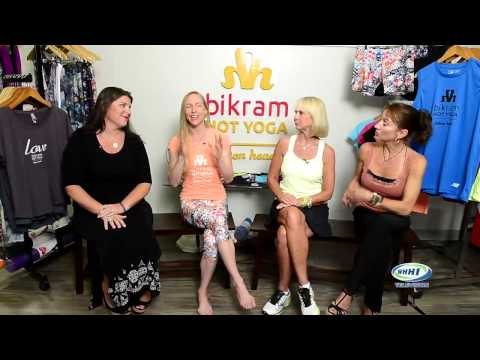
Heather Harvey had her product featured in Woman’s Day, Shape, Parenting, and more.
Success Story #3

Jen Groover was interviewed on MSNBC, Fox News, ABC, CBS, and more.
The Virtual National Publicity Summit’s online format brings the media right to you, giving you an unparalleled chance to get coverage in top outlets.
But it will accommodate only 65 participants (to ensure everyone has enough one-on-one time with media), so if you’re at all interested, you’ll have to secure your spot quickly.
Success Story #4
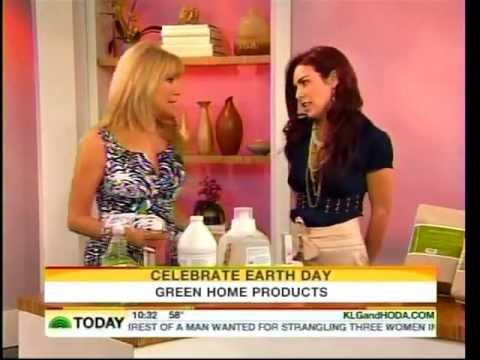
Lisa & Ron Beres did a home safety demo on The Today Show.
➡ Get Big-Time Publicity NOW!
You’ve heard it a thousand times: “It’s not what you know… It’s WHO you know.”
You’re an expert on your topic and in your field.
But what good is all your knowledge if nobody knows you exist?
Your ability to help others and make your mark on the world is strictly tied to the number of people you can reach with your message.
This Is Your Chance For One-On-One Meetings With Today’s Top TV/Radio Producers & Journalists
Having connected thousands of experts and authors with the media, I know face-to-face meetings with top TV/radio producers and print/online editors dramatically increase the odds they’ll put you on their shows or feature you in their publications.
That’s why I offer The Virtual National Publicity Summit.
During the Summit, you’ll be able to pitch your story to top TV producers and print/online editors and journalists who are specifically looking for new experts to feature… without leaving the comfort of your home or office.
Your one-on-one Zoom meetings with them could take you from complete anonymity to nationwide sensation literally overnight.
That’s because…
➡ Get Big-Time Publicity NOW!
FREE Publicity In National Media Can Be Life-Changing
People who have taken part in past National Publicity Summits rave…
“You CAN NOT get this kind of exposure anywhere else.”
– Connie Bennett (featured in Time Magazine)
“This is the best thing I’ve done to promote my career… EVER.”
– Mark Amtower (featured in Entrepreneur magazine)
“The National Publicity Summit is AWESOME! Prior, I had never appeared on national television.”
– Lauri Quinn Loewenberg (appeared on The View & Good Morning America)
We Only Accept 65 Experts & Authors
To ensure every author and expert who takes part gets quality, one-on-one time with the media, we limit this virtual event to only 65 participants.
For full details about everything you’ll get when you apply to the Summit, go here now:
➡ Get Big-Time Publicity NOW!
About The Author
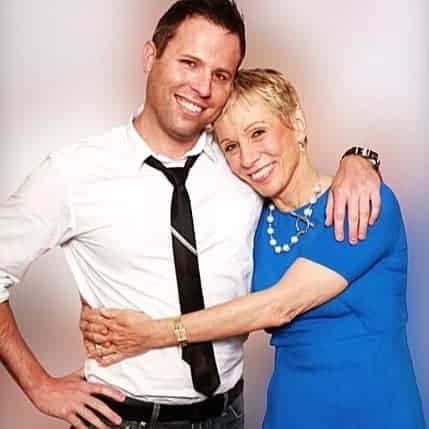
Jordan McAuley
Founder of Contact Any Celebrity with ‘Shark Tank‘ judge Barbara Corcoran
Jordan McAuley is the author of ‘Celebrity Leverage: Insider Secrets to Getting Celebrity Endorsements, Instant Credibility & Star-Powered Publicity,’ ‘Secrets to Contacting Celebrities: 101 Ways to Reach the Rich & Famous,’ & ‘The Celebrity Black Book: Over 56,000+ Verified Celebrity Addresses‘. He is featured by American Express OPEN Forum, CBS News, CNN, E! News, Entrepreneur Magazine, Fast Company, Forbes, FOX News, New York Post, USA Today, The Guardian, Tim Ferriss‘ The 4-Hour Workweek, The Mirror UK, The Wrap & more. He graduated from the University of Miami with Motion Picture Business and English Literature degrees from the School of Communication and College of Arts & Sciences. Jordan is a former 90s high school video store clerk who has lived and worked in Atlanta, Miami, Los Angeles, and New York City.